Plan for the slowest, not the average
A group moves at the pace of its least comfortable member, and a route designed around the average will leave somebody behind for six hours.
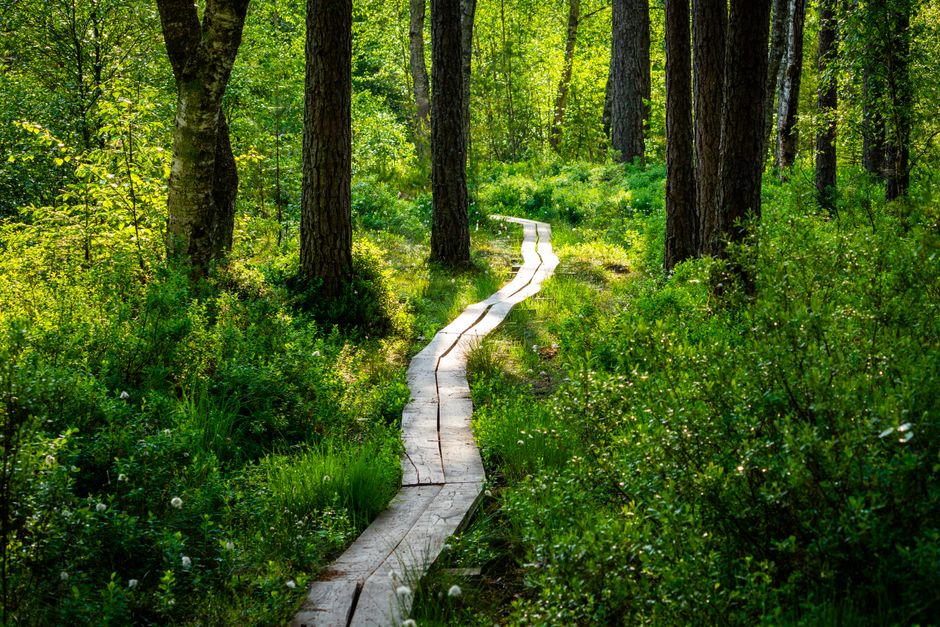
Distance lies
Ten kilometres flat on a path and ten kilometres of ascent on loose ground are different days. Estimating by distance alone is the most common cause of a group arriving late, cold and unhappy.
Build in escape routes
Every route should have at least one point where it can be cut short without retracing the whole way. Knowing that the option exists changes how a leader makes decisions under pressure, even on the days it is never used.
Pacing is a role
Someone walks at the front setting the speed and someone walks at the back with whoever is struggling. Without both, a group strings out, the fast half waits in the cold and the slow half feels watched.
Decide the weather rule in advance
Deciding on the morning, in front of a disappointed group, produces worse decisions than deciding the week before with a map and a forecast threshold written down. Agreeing the cancellation criteria in advance removes the pressure to be optimistic.
Breaks are structural
Short, frequent stops keep a group together better than one long lunch. They also give leaders regular moments to count heads, check feet and notice the child who has gone quiet.
Tell someone where you are going
A written route left with a named person at base, with an expected return time and a point at which they should act, costs five minutes. It is the single cheapest safety measure available and the one most often skipped on a familiar walk.